The exact page text, read by your browser's voice.
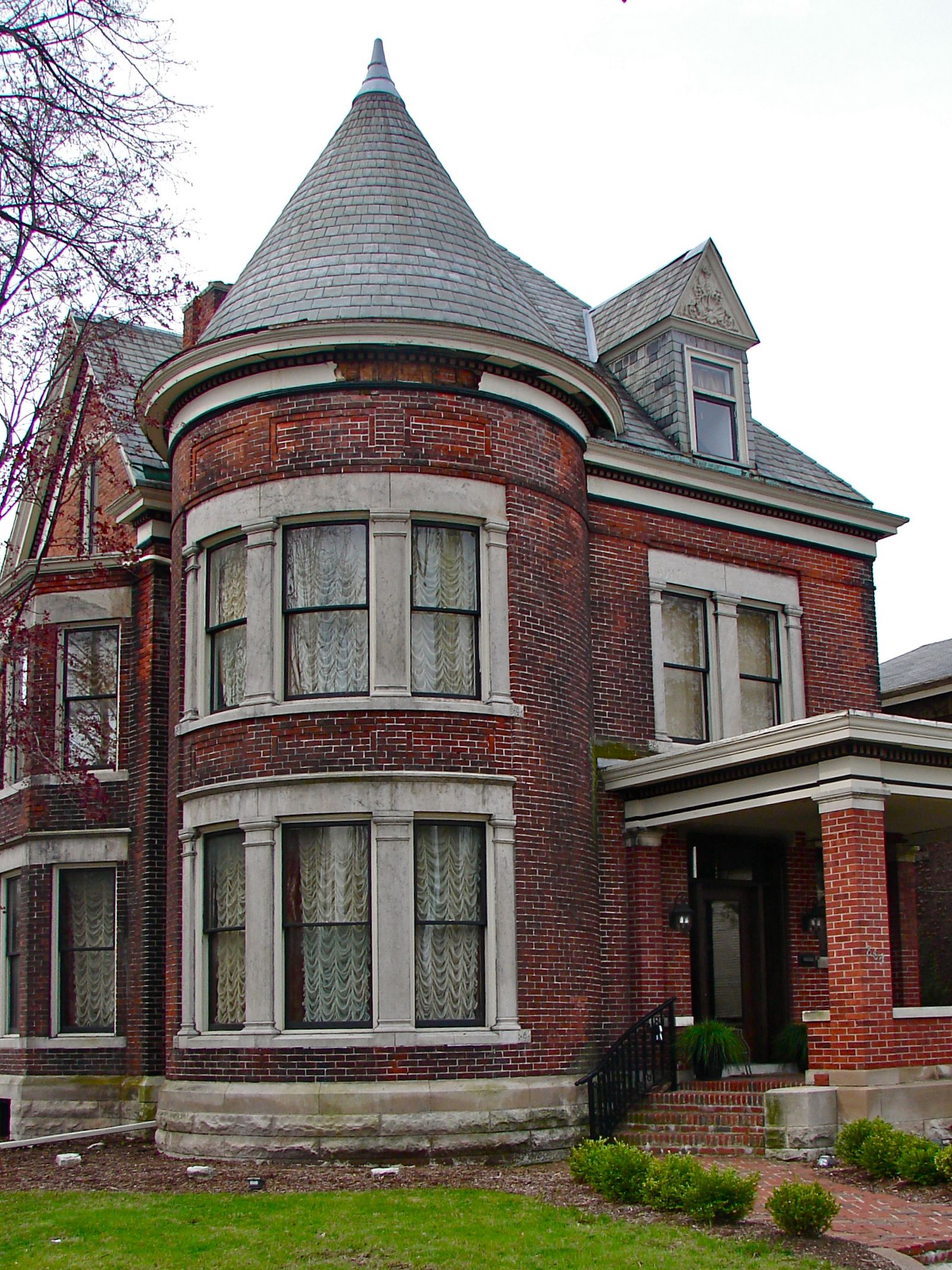

Immediately west of downtown, between Main Street, the St. Marys River, the railroad corridor and the business district, West Central is Fort Wayne's largest and oldest residential historic district — a neighborhood that has been building and rebuilding itself since the canal era of the 1830s. The 1984 National Register nomination (the district is listed as the West End Historic District) counted about 625 buildings and found sites that had carried as many as four successive houses. The east–west streets tell the social geography: Berry, Wayne and Washington became the fashionable middle- and upper-class addresses; Jefferson, Wilt, Lavina and Jones, to the south, were lined with the homes of the craftsmen and workers of the industries along the railroad. Virtually every architectural style popular between 1830 and 1950 stands somewhere in the district, and the city's 1979 cultural-resources survey found 15 percent of all its historically and architecturally significant structures — and more than 45 percent of the most significant — within West Central.
The neighborhood association notes that West Central holds the largest concentration of houses by John F. Wing and Marshall S. Mahurin, the city's leading residential firm of the era. The district was listed on the National Register on November 15, 1984, and designated a local historic district in two phases in 1984–85. The Embassy Theatre stands at its edge; Plymouth Congregational Church, below, stands inside it.
Sources: National Register nomination, West End Historic District (1984); West Central Neighborhood Association, Historic Buildings and Structures and neighborhood history; City of Fort Wayne, "10 Things to Know About Historic Preservation in Fort Wayne," via ACGSI.