The exact page text, read by your browser's voice.

The Airports · Fort Wayne's fields and airline eras
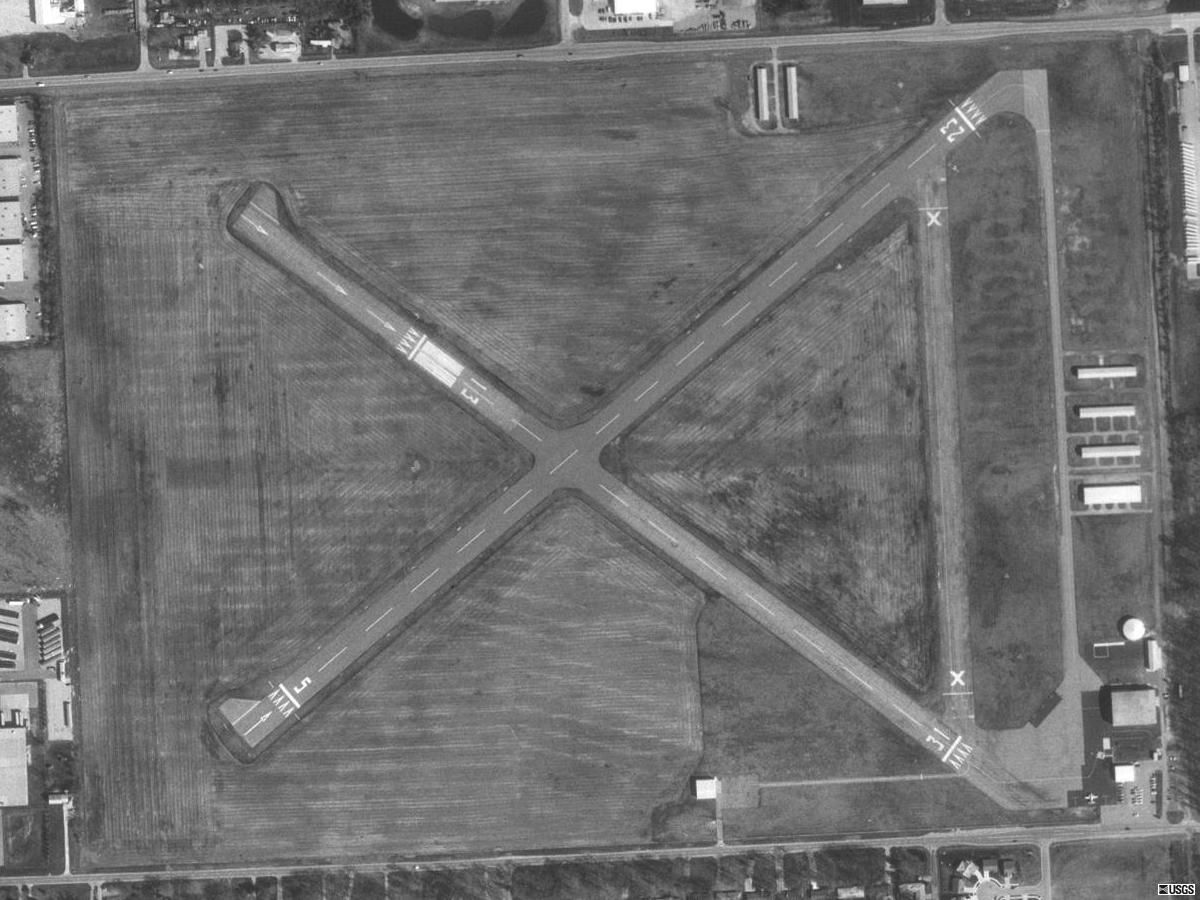
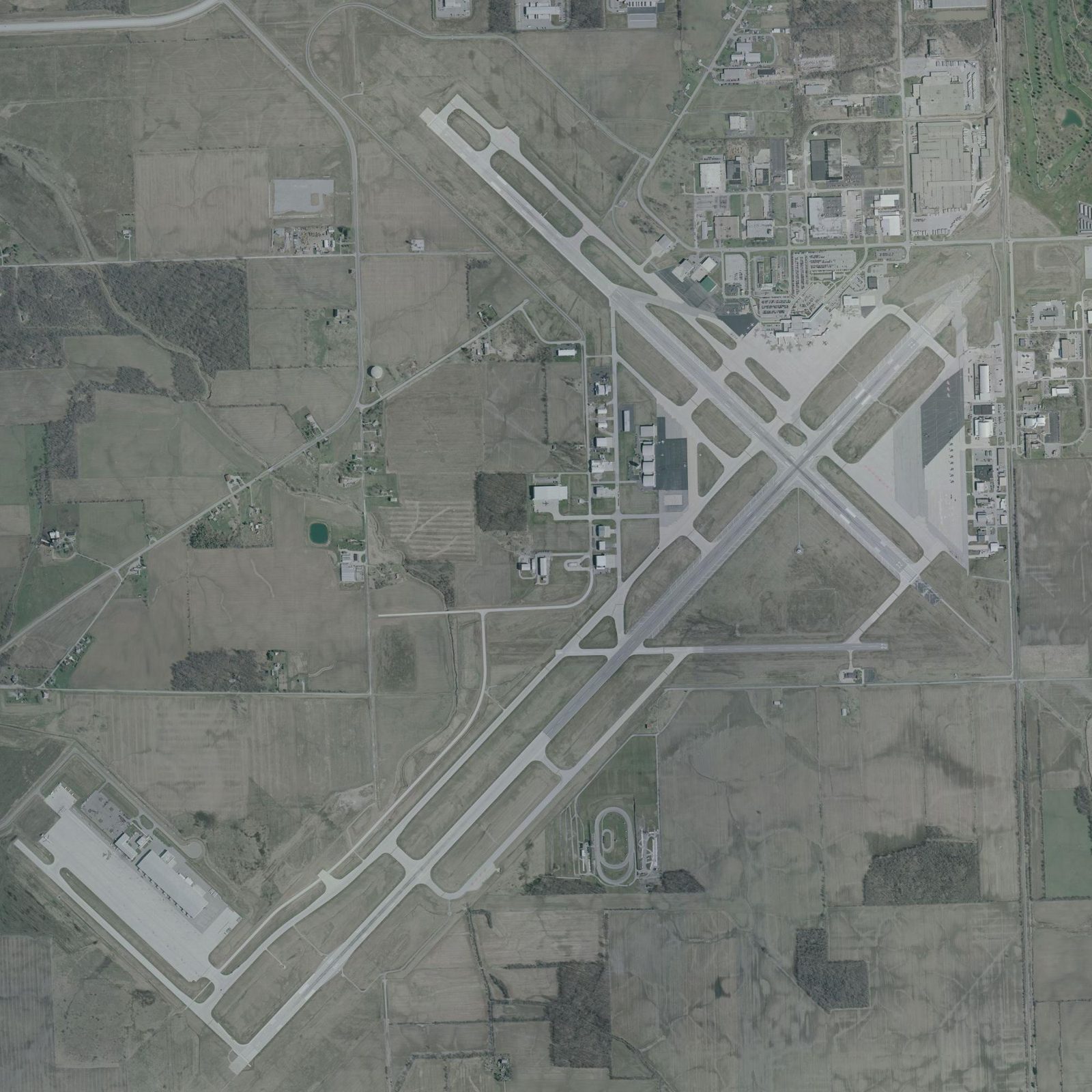
Fort Wayne has had two airports for almost its whole flying life, and the pair of them carry the names of the city's two dead aviators. The north-side field came first: a pasture the city inspected in 1919, bought in 1925, and dedicated that June as the Paul Baer Municipal Airport, for the living Fort Wayne ace of the First World War. The southwest field came in 1941, when the Army wanted a base and the War Department's rules said a base could only be named for a dead military aviator — so the new field took Baer's name, and the old field took the name of Art Smith, the "Bird Boy," who had died flying the mail fifteen years before. Everything else in this section hangs off that settlement: the airmail carriers who came in 1930, the trunk airlines who followed the Army home in 1946, the jets of 1967, the cargo hubs that made the southwest field Indiana's second air-freight airport, the customs station that made "International" honest in 1991, and the century-long argument over whether the little north field should live at all. The war record of the southwest field belongs to the Military section; what belongs here is the ground, the names, the airlines, and the flying.
First flights: the Driving Park, 1910
1910 — 1911
The city's first flying ground was a racetrack: Before Fort Wayne had anything called an airport it had the Driving Park, the fairgrounds and horse-racing oval on the city's northeast side, at what is now the Forest Park…
The Bird Boy's airport: Art Smith in the field record
1911 — 1941
The man is in the People section; this is his ground: Arthur Roy Smith is profiled in full among this history's famous people — the Fort Wayne birth, the parents who mortgaged their house for his airplane, the night flights and…
The first field: inspected 1919, instruction from 1923
1919 — 1925
Six years between a look and a deed: The National Park Service's account of Smith Field fixes the ground's beginnings precisely. In 1919 the city of Fort Wayne inspected a tract on the north side — between the Cook and Ludwig…
Smith Field: dedicated for Baer, renamed for Smith
1925 — present
Fort Wayne's first municipal airport: The field was purchased by the City of Fort Wayne in 1925, and on 25 June of that year it was dedicated as the Paul Baer Municipal Airport — the city's primary airport, named for Fort Wayne's…
Two fields, two names: the settlement of 1941
1940 — 1941
How Fort Wayne got an airport named Smith and an airport named Baer: In 1940 the War Department came to Fort Wayne. The city's north field stood on a list of some thousand airfields the Army Air Corps had evaluated, and the early…
Baer Field comes home: the municipal airport, 1946–1991
1946 — 1991
Bought back for one dollar: The condition Fort Wayne's businessmen had attached in 1941 — that the government deed the base back to the community after the war — was honored in the cheapest possible coin. In 1946 the city bought…
The airmail contract and the first airlines, 1930–1947
1930 — 1947
The mail came first; the passengers followed: Fort Wayne's commercial aviation began not with passengers but with a contract. The improvements at the north field — paved runways, the great heated Hangar 2 — finally attracted a…
The trunk era: TWA, Chicago & Southern, United, jets
1946 — 1978
Two airlines the first year; the third in 1947: When Baer Field opened to civil use in 1946, two passenger airlines served it: TWA, which had come up the road from Smith Field, and Chicago & Southern Airlines. United Airlines…
Deregulation and the regional-jet age
1978 — 2026
More airlines, smaller airplanes: The Airline Deregulation Act of 1978 first showed at Fort Wayne as construction — the 1981 terminal modernization, jetways added "to handle increased traffic brought on by" the Act — and then as…
The cargo decades: Burlington, Kitty Hawk, and the second airport inside the airport
1985 — 2020
For twenty years the freighters ran the night: Fort Wayne's second airport — the cargo airport inside the southwest field — began in 1985, when Burlington Air Express, later BAX Global, opened a hub on the field; United had flown…
"International": the customs station and the name, 1988–1991
1988 — 1997
The word was earned in a Federal Register notice: The "International" in Fort Wayne International is not only a marketing word. It rests on a federal designation that predates the name. By Treasury Decision 88-35, published in…
The present field: towers, records, and Project Gateway
2000 — 2026
A million passengers, nearly: The modern airport's milestones run in a steady line. In January 2007 a modernized 210-foot air traffic control tower opened on the south side at a cost of $9.7 million. Traffic set a record in 2000…
The accident record
1932 — 2004
Sober entries, as the record keeps them: The airport's deadliest day came early in the civil era. On 28 April 1951, United Air Lines Flight 129, a Douglas DC-3 out of Cleveland for Chicago with stops at Fort Wayne and South Bend…
Air shows and the exhibition tradition
1925 — 2025
The crowd was there from the first year: Exhibition flying is the oldest layer of this whole record — it begins with the Curtiss team at the Driving Park in 1910 — and it has never quite left. In 1925, the year of its dedication…
The general-aviation layer: Chapter 2, the schools, and the fight to keep Smith Field
1956 — 2026
The little field's second life: When the airlines left Smith Field in 1947, the flying did not. The field settled into the general-aviation life it still leads, and its institutions accumulated: EAA Chapter 2, chartered at Fort…